

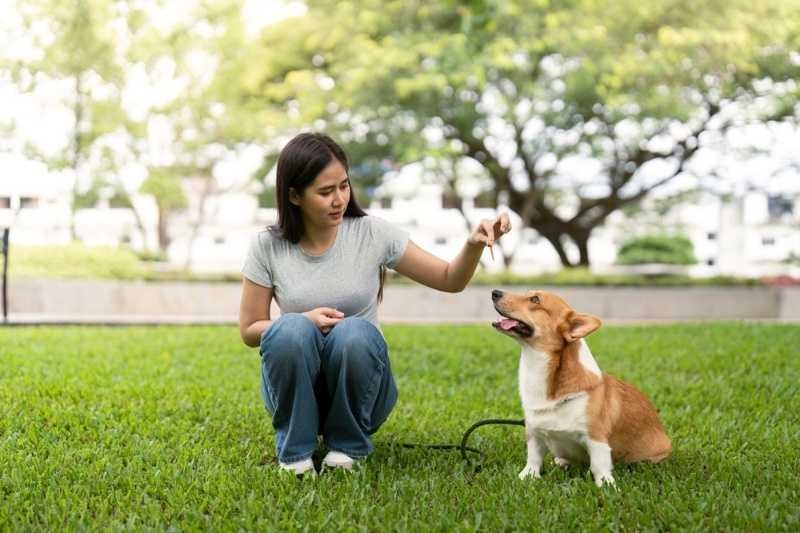
As much as we love our dogs, training a new puppy can be overwhelming at times, especially when the little furball just won't stop chewing on your shoes or barking at every leaf that blows across the yard. But there's one consensus in the training world: using positive reinforcement rather than punishment to train a dog. The first question that often comes to mind when considering adopting a dog is how to use positive reinforcement to train your dog.
In fact, according to studies by veterinary behavior researchers, reward-based training not only strengthens a dog's responsiveness, but it can also help lower their stress levels and fear. That's why you see more owners today shifting from tough correction methods to a positive reward-based system of encouragement, praise, and training.
Whether you've been wondering how to incorporate positive reinforcement into your dog's training regimen or what exactly goes into this style of training, this guide can take you through the ins and outs, common mistakes, and easy techniques for getting the job done.
Positive reinforcement, simply put, is rewarding your dog the second that he does what you want, increasing the chance that he'll do it again. What is the reward? Anything you think your dog would love:
If your dog successfully sits at your command and gets immediate attention and a treat, he'll start to associate the sit with positive outcomes, and the behavior will become reliable. That’s how simple it is, because naturally, dogs want more of whatever is good for them. This differs from a punishment-based training system, as it will foster a sense of trust and security in your dog.
Try This: Pet Training Made Easy for Smarter and Happier Companions
Dogs trained using reward-based methods tend to show higher responsiveness and confidence than those trained through fear or punishment. While punishment might curb a certain behavior at that exact moment, it won’t teach your dog what the proper behavior should be and could possibly induce a higher level of fear and anxiety within him. The American Veterinary Society of Animal Behavior reports that aversive training methods correlate with a dog's stress response.
A reward-based system emphasizes communication, not control, by essentially telling your dog that obeying you will lead to positive experiences and happiness, building your dog's trust in you. It’s also the main reason many dog trainers advise you to stop punishment training entirely in favor of a more rewarding one.
Treats are often the fastest way to teach new behaviors, primarily because dogs absolutely love them! This positive reinforcement training technique can go a long way toward teaching new commands in record time.
When using treat-based training methods, the key is timing. The reward has to happen at the exact right moment, within 1-2 seconds of correct behavior, to eliminate any confusion. Small, soft treats work best, as they don't require much chewing, thus reducing interruptions to the session. Trainers typically suggest shorter, less frequent 5-10-minute training sessions, as dogs work better in bursts. Once a behavior becomes reliable, your dog will gradually start responding more to praise and attention and less to treats.
Similar to reward-based training, clicker training is another popular positive reinforcement method for dog training. A clicker tool is used to create a distinct sound that pinpoints the precise second the dog completes the desired action. This tells your dog, “Good boy, that’s what I want!” Immediately after the click, the reward comes. With practice, your dog will quickly learn to associate the click with something good. Many trainers find that this method helps them communicate more precisely with dogs. It can be used for even more difficult behaviors, like leash walking or agility. Shy or nervous dogs seem to work especially well with this method.
Most owners who make the shift to positive reinforcement make one big mistake: inconsistent rewards. It is important to reward the desired behavior every single time during the early training stages:
This will allow dogs to begin recognizing which behaviors yield the desired result and those that do not. It is critical to reward the behaviors you want before they become an issue; it will be much harder to correct a trained dog's behavior later. Many trainers highly recommend starting "capturing good behavior" by rewarding your dog when they're naturally good.
The most common mistake dog owners make in training their dogs is expecting too much, too fast. While dogs are smart, repetition is key. You may need to reinforce behaviors repeatedly to reach a desired level of obedience. Another mistake in dog training is mixed communication. If you are the only one training your dog and one family member, say, lets your dog on the couch while you strictly forbid it. Your dog may end up confused. Additionally, many people believe that shouting is an effective way to communicate with their dogs, but they aren't aware that this isn't usually how dogs interpret it, and training will likely prove more difficult when you're not so calm. Experts advise owners to avoid physical correction (such as leash jerking) or punishment to prevent fear-based behaviors from developing. You should always focus on reinforcing and redirecting desired behaviors to avoid having future problems.
Each dog is different, and it can take some time to teach even simple commands such as "sit" and "stay"; however, the time it takes varies depending on breed, individual, age, and the amount of practice you provide your dog daily. The amount of training it takes to shape complex behaviors such as separation anxiety or leash reactivity can range from weeks to months of consistent practice.
Studies have shown that training with rewards results in dogs retaining behaviors longer than when trained with correction-based methods. Keep the training process positive, and remember consistency is key to training your dog successfully.
Learning how to effectively use positive reinforcement to train your dog is the key to strengthening your bond and improving behaviors in the long term, with minimal fear and increased trust between you and your dog. This will translate into an improved relationship and more obedience from your pet—whether you use reward training, clicker training, or even just verbal praise and simple rewards, all forms of positive reinforcement help your dog understand that listening to you is beneficial.
When it comes to training, patience is key, and striving for perfection will actually be less rewarding in the long run than working through a series of smaller gains. Dogs benefit most when they feel secure, encouraged, and loved, which is why positive reinforcement methods remain the most popular among veterinarians and professional dog trainers today.
Older dogs are fully capable of learning through positive reinforcement! While young puppies may pick up new commands faster, adult dogs respond very positively to the training technique and can make incredibly rewarding learners. In many cases, the senior dogs in your life can become easier to train because they're often calmer and more focused than younger, energetic puppies.
It is generally best to opt for shorter, more frequent training sessions throughout the day rather than a single long training period once a week. For instance, five to fifteen minutes of focused practice is enough to ensure your dog is learning without becoming bored, frustrated, or overstimulated.
If you’ve found treats ineffective as a motivator for your dog during training, there are alternatives. Higher-value treats can make a big difference in motivating dogs with more discerning palates, and some dogs are simply more motivated by other rewards, such as toys, play, or attention!
This content was created by AI